Reject mechanisms
- Pneumatic pusher reject conveyors
- Air-blast rejects
- Drop-flap reject systems
- Retracting-belt rejects
- Swing-arm diverters
- Lane-divert systems
Match the reject mechanism, tracking and monitoring to your product, line speed and risk—with positive confirmation that the intended pack was removed.
The reject device must remove the correct product without destabilising adjacent packs, damaging good product or creating an unsafe access point. We combine product tracking, actuation, guarding, confirmation, bin monitoring and fault response into a defined reject strategy.
Each check is configured against agreed samples, tolerances and fault responses. Multiple checks can be combined into a single inspection recipe.
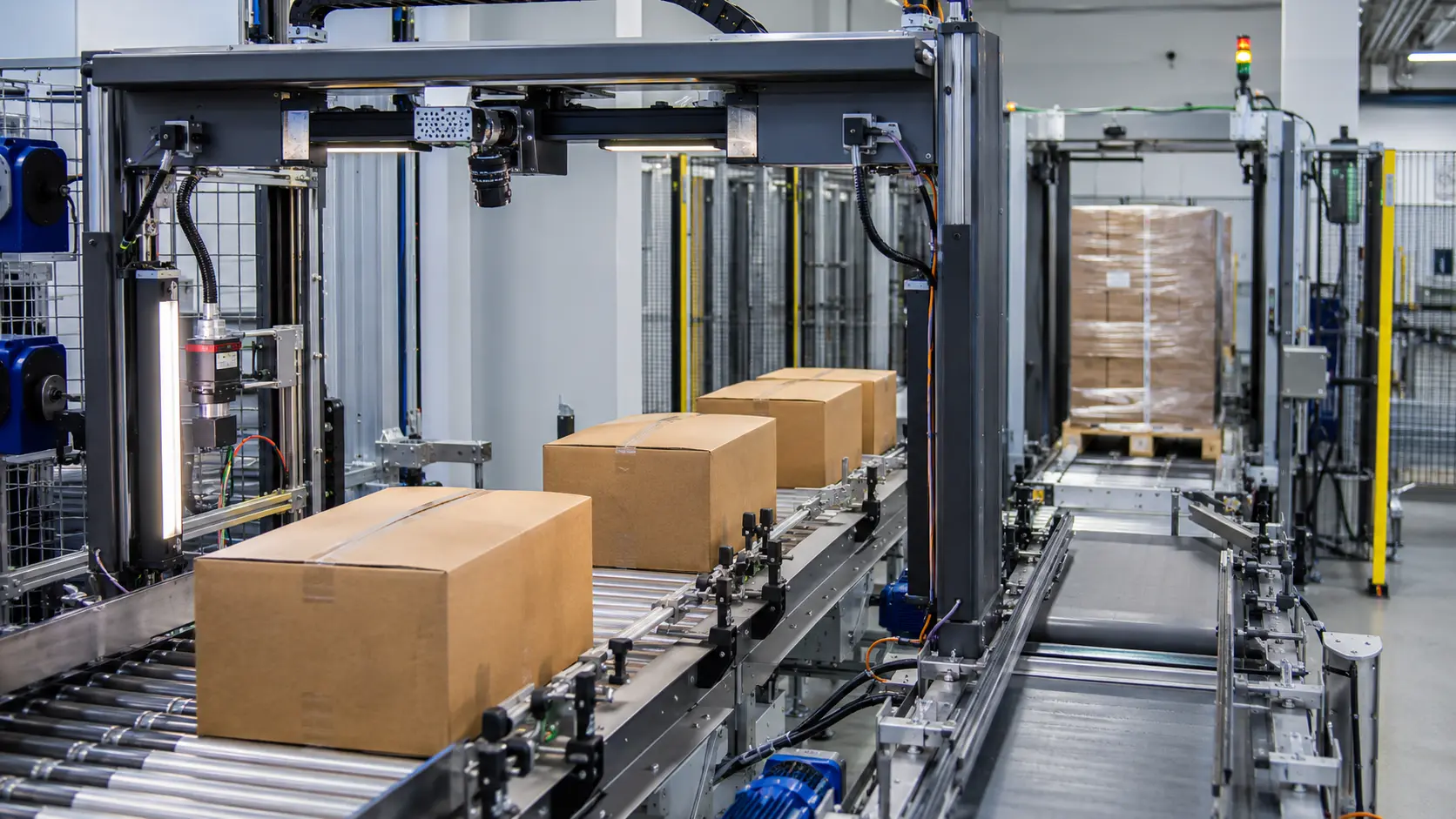
Choose the reject principle from product geometry, mass, stability and line speed
Track the failed item from inspection point to reject point without ambiguity
Confirm the reject action and, where required, confirm the product entered the reject bin
Monitor air supply, bin condition, access doors and actuator readiness
Define controlled line-stop behaviour for lost tracking or an unconfirmed reject
Apply guarding, isolation and operator access controls according to the project risk assessment
We reduce risk early by proving the inspection on representative products before final hardware, handling and controls are committed.
Agree the pack, defect, speed, reject risk, data needs and acceptance criteria.
Run feasibility tests using representative good, bad and borderline samples.
Design handling, cameras, lighting, controls, guarding and rejection as one station.
Build, validate, install, train and support the system in production.
Need an answer for your exact product or line? Send us the application details and we will identify the next useful test.
Ask an application questionPushers suit many stable packs, air blast suits light products, drop flaps and retracting belts suit unstable or delicate packs, and diverters suit controlled lane transfer. We test the pack at the intended speed before final selection.
Reject verification uses sensors and control logic to confirm that the reject mechanism operated and, where required, that the failed product left the accepted-product path.
A lockable bin helps control rejected product, supports line-clearance procedures and prevents unauthorised retrieval. Its need and access method depend on the production risk.
Yes, provided there is enough controlled conveyor length and access for guarding, sensors, the reject device and bin. We survey line height, speed, controls and product spacing first.
Send product details, target output, examples of acceptable and failed packs, and a short line video. We will define the most useful next technical step.