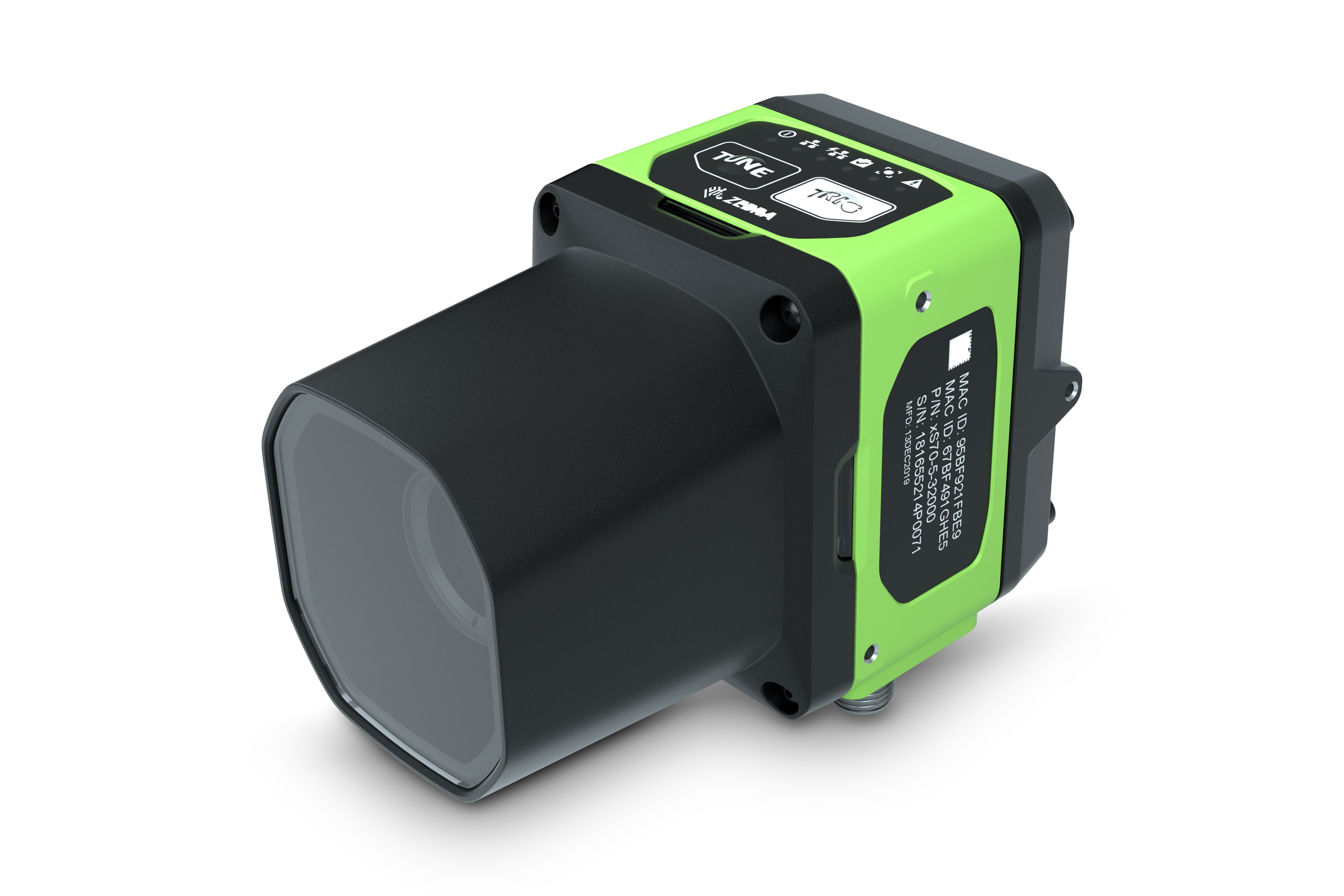
The same camera can behave very differently in a washdown food hall, a controlled pharmaceutical suite and a component assembly cell. We engineer the station for the environment, process risk and operators.
Sector experience
One inspection discipline, adapted to each production reality.
We start with the consequence of a missed defect, the variation of the process and the site's operating controls. That defines how products are presented, how results are challenged, what data is retained and how rejected product is secured.
01
Food & beverage
Hygienic inspection for fast-moving packs
Inspect fills, caps, labels, codes, seals, pack presentation and weight with construction and access designed around the production and cleaning regime.
Food checkweighers and metal detector combinations
Best-before and use-by date verification
Stainless-steel conveyors and reject systems
Trend feedback to filling equipment
02
Pharmaceutical & healthcare
Controlled verification and reject security
Coordinate product presence, print, codes, serialisation, aggregation, checkweighing and secure rejection with the access and records required by the project.
Protect presentation, identity and pack completeness
Check colour, artwork, label alignment, caps, pumps, triggers, tamper evidence, fill and printed codes across reflective, shaped and transparent containers.
Front-and-back and wraparound label inspection
Colour and artwork verification
Cap, pump and trigger orientation
Liquid and powder fill-level checks
Batch and lot code inspection
Bottle and jar checkweighing
04
Industrial manufacturing
Repeatable inspection of components and assemblies
Verify orientation, count, assembly, dimensions, surfaces and identity before components move to the next operation or leave the cell.
Presence and assembly verification
Product orientation and robot guidance
Dimensional and profile inspection
Surface and cosmetic defect detection
Component counting and classification
Database and serial-number matching
05
Logistics & end-of-line
Verify cases, labels and pallet loads before dispatch
Read codes, confirm label identity, count cases, inspect pallet patterns and divert failed or unreadable items into a controlled rework route.
Case and pallet inspection
Barcode readability and grading
Case-label and product matching
Count and orientation checks
Lane-divert and swing-arm rejection
Production and dispatch data interfaces
Industry questions
Define the environment as carefully as the defect
Tell us how the line is cleaned, controlled and changed over as well as what the system must inspect.
Can the same inspection platform be used across several production areas?
Yes, but the mechanical, hygienic, optical and validation requirements should be defined for each line. Common software and reporting standards can still reduce operator training and support effort.
Do food and pharmaceutical lines need different reject controls?
The required level of access control, confirmation, record keeping and line-stop behaviour depends on the process risk and site procedures. We define these functions with the user during the project.
Can systems be built in stainless steel?
Yes. Stainless-steel frames, conveyors and enclosures can be specified, with the construction and ingress protection selected for the cleaning regime and environment.
Send product details, target output, examples of acceptable and failed packs, and a short line video. We will define the most useful next technical step.